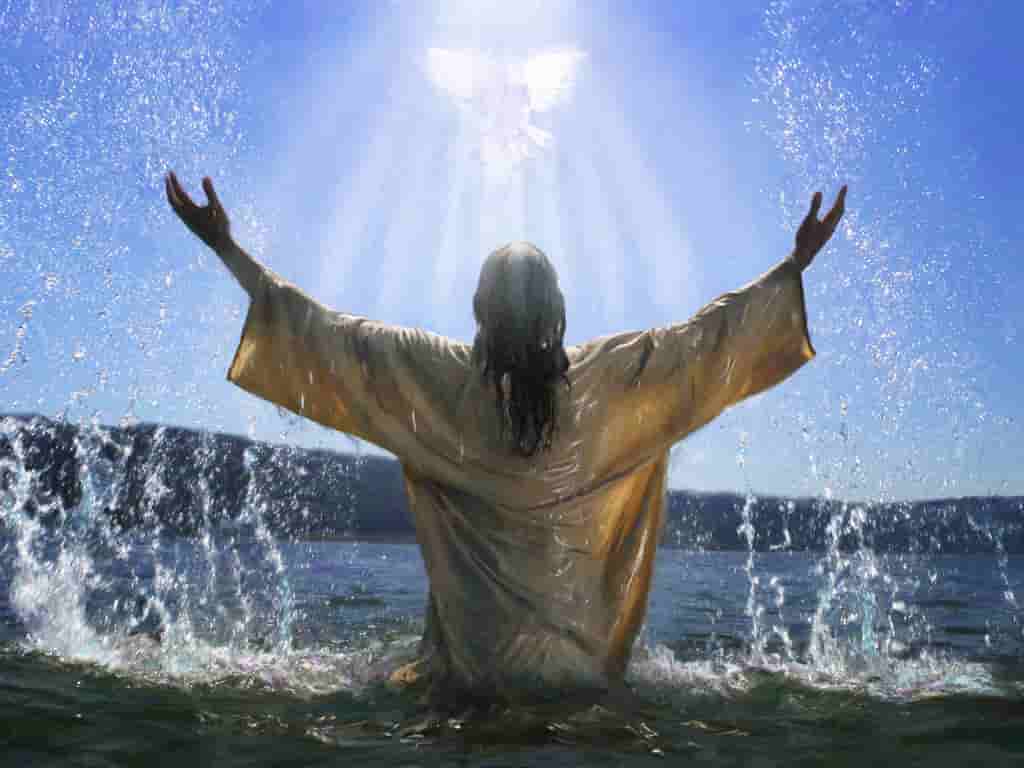
Week 5 is a necessary sobering turn in the study. After establishing what true biblical spirituality is (Spirit-indwelt life flowing from salvation), Scripture now warns us that not everything supernatural, impressive, or “spiritual” comes from the Holy Spirit. This week helps men grow in discernment without fear and clarity without cynicism.
Week 5 — A Serious Warning
Not Every Spirit Is the Holy Spirit
Introduction: When Spirituality Looks Right—but Isn’t
One of the most surprising truths in Scripture is not that evil exists, but that evil often disguises itself as good.
The Bible does not warn us primarily about atheism, skepticism, or blatant rebellion. Instead, it repeatedly warns about:
- false prophets
- deceptive teachers
- counterfeit spiritual power
- experiences that feel divine but lead away from Christ
The greatest threat to biblical spirituality is not the absence of spiritual experience—but the presence of the wrong spirit.
This week addresses a crucial reality:
- Pentecost made true spiritual life possible
- But Scripture also teaches that counterfeit spirituality is real
Biblical spirituality is not suspicious of the spiritual realm—but it is discerning.
The Core Warning of the Week
Not everything supernatural is holy.
Not everything powerful is from God.
Not everything “Jesus-sounding” submits to Jesus.
Therefore:
- spiritual experiences must be tested
- teachings must be weighed
- fruit and confession must be examined
Key Scripture 1: 1 John 4:1 (ESV)
“Beloved, do not believe every spirit, but test the spirits to see whether they are from God…”
Context and Insight
John writes to believers who already:
- believe in Jesus
- have received the Spirit
- are walking in community
Yet he still issues a warning.
Key observations:
- Spirits can influence teaching and behavior
- Not every spiritual claim originates with God
- Discernment is an act of obedience, not skepticism
The command to “test” implies:
- discernment is learned
- discernment is practiced
- discernment is communal
Biblical spirituality is trusting—but never gullible.
Discussion Questions
- Why do you think John addresses this warning to believers, not outsiders?
- What happens when discernment is replaced with naïveté?
- What does it mean to “test” without becoming suspicious of everything?
Key Scripture 2: 2 Corinthians 11:13–15 (ESV)
“Even Satan disguises himself as an angel of light.”
Context and Insight
Paul confronts false apostles who:
- use Christian language
- claim spiritual authority
- appear righteous
Paul’s insight is striking:
- Satan’s primary tactic is imitation
- Deception works best when it looks holy
- Falsehood often borrows truth to gain credibility
This passage teaches us:
- outward appearance is unreliable
- charisma does not equal calling
- spiritual aesthetics can mask spiritual danger
Satan does not need to deny God if he can distort Him.
Discussion Questions
- Why is imitation more effective than open opposition?
- How does this passage challenge how we evaluate spiritual leaders?
- What are modern examples of “angels of light” spirituality?
Key Scripture 3: Matthew 7:21–23 (ESV)
“I never knew you; depart from me…”
Context and Insight
This is one of the most sobering passages in the New Testament.
Jesus describes people who:
- prophesied
- cast out demons
- performed mighty works
- did so in His name
Yet Jesus rejects them.
Why?
- Their spirituality was activity-based
- Their authority was self-assumed
- Their lives lacked submission to the Father’s will
The issue is not false miracles—it is false relationship.
Spiritual power without submission leads to spiritual ruin.
Discussion Questions
- What is most unsettling about this passage?
- Why does Jesus emphasize relationship (“I never knew you”)?
- How does this reshape how we define spiritual success?
Teaching Emphases (Expanded)
- Spiritual experiences must be tested by truth
- Satan’s strategy is often imitation, not opposition
- Activity in Jesus’ name is not the same as obedience to Jesus
- True spirituality submits before it performs
- Relationship matters more than reputation
Discernment Case Study
Scenario:
A teaching emphasizes power, experiences, angels, or revelations—but minimizes repentance, the cross, and obedience.
Biblical Evaluation
According to Scripture:
- The Holy Spirit magnifies Christ (John 16:14)
- The Spirit convicts of sin and leads to repentance
- The Spirit produces submission, humility, and fruit
When the cross is minimized:
- self becomes central
- experience replaces transformation
- power replaces obedience
A spirit that bypasses repentance and the cross is not the Holy Spirit.
Group Discussion
- What clues help us discern the spirit behind a message?
- Why is the cross often offensive to counterfeit spirituality?
- How do we lovingly challenge teachings like this?
Signs vs. Submission
Why Are Signs So Appealing?
Signs:
- feel immediate
- impress others
- affirm ego
- require little surrender
Submission:
- is slow
- humbling
- unseen
- costly
Scripture consistently teaches:
God values obedience over spectacle.
Discussion Questions
- Why are we drawn to visible power more than quiet faithfulness?
- How does our culture reinforce sign-based spirituality?
- Where might we be tempted to pursue experience over obedience?
Practicing Discernment Without Cynicism
Biblical discernment is:
- grounded in Scripture
- guided by the Spirit
- practiced in community
- motivated by love
It is not:
- suspicious of everything
- dismissive of the supernatural
- arrogant or fearful
Discernment is not distrust—it is wisdom shaped by truth.
Reflection Questions
- How can we grow in discernment without losing openness to God?
- What role does Scripture saturation play in discernment?
- Who helps test and confirm spiritual experiences in your life?
Life Application & Closing Insight
Invite participants to reflect:
- Do I evaluate spirituality by power—or by Christlikeness?
- Am I more impressed by gifts than fruit?
- Does my understanding of spirituality center on the cross?
Closing Insight:
The Holy Spirit always leads us to Jesus,
under Jesus,
and into obedience to Jesus.
If you’d like, next I can:
- Expand Week 6: Walking by the Spirit Daily
- Provide a discernment checklist grounded in Scripture
- Or create a comparison chart: Holy Spirit vs. Counterfeit Spirituality